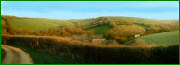
The archived welcome page described organic fruit and vegetables grown on licensed farms in the West Country of England and sent straight from producer to household. This summary explains the ideas on the page. It is historical, and it does not offer a service.
Certified farms
The Soil Association was named as the body that licensed farms for certified organic production. Obtaining a licence, the page said, is governed by law and involves detailed rules and inspections. Organic agriculture, horticulture and market gardening were described as systems that use natural soil chemistry to grow vegetables, fruit, grain and herbs, and as environmentally sustainable.
Direct from the producer
The pitch was that online shopping let customers buy straight from the grower and avoid the supermarket. Links were offered to other organic resources both online and offline, and recipes were highlighted for health, nutrition and flavour.
Vegetable boxes
A box could be ordered once, weekly or fortnightly, with extras added to the same delivery. An example list for one week in June included chard or spinach, carrots, onions, cucumber, strawberries, mushrooms, avocado, red pepper, cabbage, tomatoes, lettuces, cauliflower and rhubarb. Approximate box weights were given in three sizes, small at about 4 kg, medium at about 5.3 kg and large at about 7.5 kg.
Gifts and delivery
The page said boxes could be sent as presents with a personal message, and that orders travelled by overnight courier. A notice mentioned that meat deliveries had been suspended because of the foot and mouth outbreak of 2001.
A vegetable finder
For customers unfamiliar with an item in their box, a “Vegfinder” aimed to help identify, prepare and cook it. Learn more on the vegetable box page and the seasonal vegetables guide.